
.webp)



.png)
Place an ad on Google — Start your first campaign
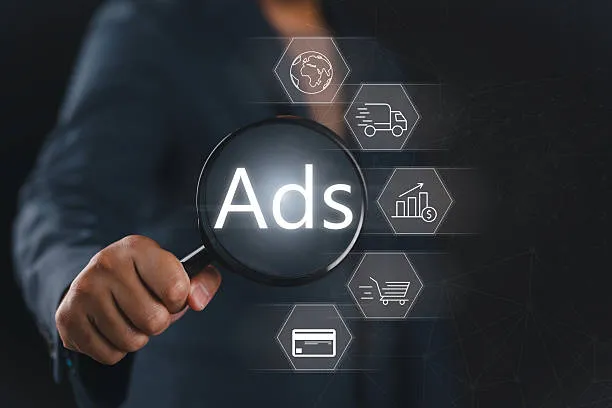
If a company wants to successfully reach customers in 2025, it's hard to avoid Google Ads.
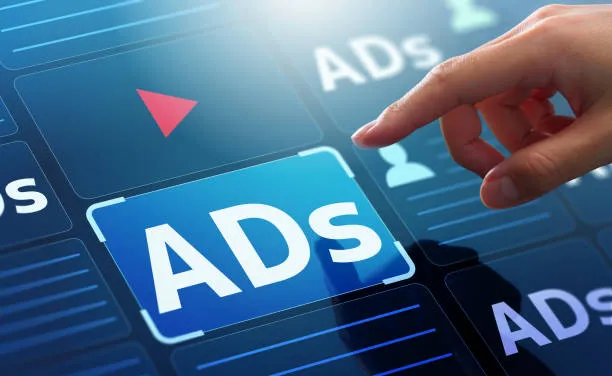
With targeted search ads, you increase your visibility at the exact moment when users are actively searching for your products or services.
Google Ads allows you to flexibly manage your advertising budget and only pay when someone actually clicks on your ad.
This allows you to keep an eye on costs, click prices and conversion goals at all times and optimize your first campaign step by step.
With a clear campaign structure, suitable keywords and convincing ad texts, you lay the foundation for measurable results.
With professional tracking and continuous evaluation, you can transform your first Google Ads campaign from a test run into a powerful acquisition tool.
Klarwerk makes your first Google Ads campaign successful — from setup to optimization — Call now: +49 151 6846 1306.
Google advertising
In today's digital world, a strong online presence is crucial for business success.
.webp)
Google advertising offers companies the opportunity to increase their visibility on the Internet and address their target group directly.
Through targeted advertising strategies, companies can increase their brand awareness and address potential customers at various stages of the purchase decision.
Google advertising offers numerous benefits, including accurate audience targeting, flexible budget options, and measurable results.
Companies can target their ads to specific demographics, interests, and geographic locations.
In addition, the platform enables detailed analytics and reports that make it easier for advertisers to measure and adjust the success of their campaigns.
For companies using Google Ads Costs with other marketing expenses If you want to compare, this article provides important insights.
Create your first Google Ads campaign: How to get started successfully
Although Google advertising offers many benefits, it can also present challenges.
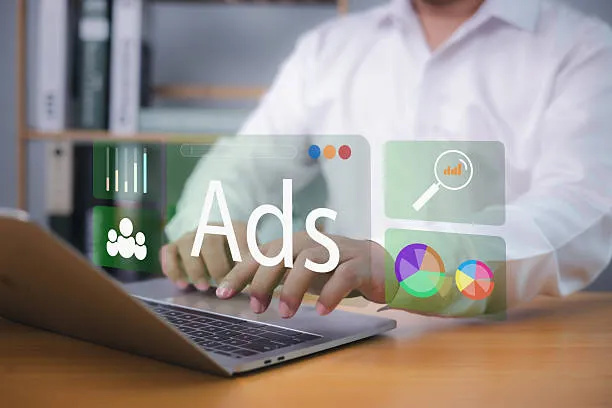
This includes complex settings and the need to constantly keep track of campaign performance.
However, with a solid strategy and the use of the right tools, even beginners can successfully optimize their campaigns and achieve the desired results.
To understand the full power of Google advertising, it helps to look at the reach, usage, and advertising potential of this platform.
Google processes billions of search queries every day, making it one of the most important points of contact when people are actively looking for solutions, products or services.
This creates an advertising environment in which companies can reach users exactly at the moment they want to search.
- Google is much more than a classic search engine; it is an integral part of the everyday digital life of billions of people.
- This constant presence makes Google Ads a central channel for building brand awareness and driving qualified traffic to your own website.
- Companies can place their ads specifically where potential customers are looking for answers, offers or providers.
- Through precise targeting, suitable keywords and relevant ad texts, wastage can be minimized and advertising budgets can be used efficiently.
- For example, visibility in Google search results often determines whether an online business is noticed — or remains invisible in competition.
If you want to strategically combine Google Ads, SEO and social media, here is an overview of Full service marketing packages.
Set up Google Ads: step-by-step guide for your first campaign
One of the biggest advantages of Google advertising is the ability to target ads to users who are interested in the products or services offered.
By using keywords and demographic targeting, companies can design their ads to reach just the right audience and thus increase the likelihood that those users will convert to customers.
Google Ads offers flexible budget options that enable companies to precisely control their spending.
Advertisers can decide how much they want to spend per click (CPC) or per thousand impressions (CPM) and adjust the budget according to campaign goals.
This cost efficiency also makes Google advertising attractive for small companies and startups.
To get started effectively with Google Ads, creating and configuring an account is the first and most important step.
This process is straightforward, but there are a few important things you should consider to lay the groundwork for successful campaigns.
The first step is to visit the Google Ads website and create an account.
If you already have a Google account, you can sign in right away and start setting up your Google Ads account.
Otherwise, you'll need to create a new Google account to access the advertising platform.
Make sure all of your account details are accurate and up to date to avoid issues later on.
Once your account is set up, you'll be asked to set your campaign's primary goals.
These goals could include increasing website traffic, generating more calls for your business, or increasing traffic to your retail store.
Clearly defining your campaign goals helps you focus your entire strategy and get the best results.
Another crucial step is to define the campaign name and budget.
Choose a meaningful and easy to recognize name for your campaign to keep track of things.
You then set a daily budget that you are willing to invest.
Be sure to choose a budget that is in line with your campaign goals and expected results.
The structure of your campaign can be critical to its success. Consider which ad formats and campaign types best suit your goals.
We turn your first campaign into a powerful lead system — data-based & efficient — Counseling: +49 151 6846 1306.
Google Ads offers a variety of ad formats, including search ads, display ads, video ads, and more.
Choosing the right format can make a significant contribution to achieving your campaign goals.
A well-thought-out campaign structure is the key to success with Google Ads.
It helps you stay on top of things, efficiently measure the performance of your ads, and get the results you want.
The right structuring can make the difference between a successful and an unsuccessful campaign.
Google Ads offers a variety of campaign types that are tailored to different advertising goals.
This includes search campaigns that appear in Google search results, display campaigns that run on various websites, and video campaigns that are shown on platforms such as YouTube.
For beginners, it often makes the most sense to start with a search campaign, as it can generate direct interest and appeal to targeted users.
A campaign should be divided into ad groups that contain related ads and keywords.
This structure allows you to increase the relevance of your ads and improve your click-through rate.
By creating specific ad groups, you can individually monitor and optimize each group's performance.
Keywords are at the heart of every Google Ads campaign.
Choosing the right keywords determines when and where your ads appear.
It's important to select both broad and specific keywords to target a wide audience while reaching targeted users.
Use tools like Google Keyword Planner to identify relevant and powerful keywords.
Choosing the right ad format is critical to the success of your campaign.
Search ads are great for targeting users who are actively looking for your products or services, while display ads are more visually appealing and are shown on other websites.
The ad copy should be clear and concise, include a strong call-to-action (CTA), and highlight the key benefits of your product or service.
To successfully set up your first Google Ads campaign, it's important to be systematic and plan all steps carefully.
Well-thought-out preparation can make the difference between a successful and an unsuccessful campaign.
Keyword research is one of the most crucial steps in creating your first Google Ads campaign.
The best Google Ads campaign is of little use if the website is not convincing — modern web design can significantly increase the conversion rate.
Creating and configuring a Google Ads account: Basics for beginners
By identifying the right keywords, you can ensure that your ads appear exactly when potential customers are looking for your products or services.
Use tools like Google Keyword Planner to create a list of relevant and powerful keywords.
Consider both broad and specific keywords to target a wide range of audiences.
- Strong ad copy is crucial because it attracts attention, arouses interest and triggers the decisive click.
- Make your message clear, concise, and benefit-oriented so that users understand why your offer is relevant in seconds.
- Use a clear call-to-action, such as “Enquire Now,” “Book Online,” or “Try for Free,” to clearly state the action you want to take.
- Highlight your key benefits and USPs, such as exceptional quality, price benefits, service, or fast delivery.
- Deliberately set yourself apart from the competition by communicating unique sales arguments instead of using interchangeable standard phrases.
- Just as important as the ad text is the right landing page that users land on after the click.
- The content of the landing page must match the ad text and deliver on the promise of the ad directly.
- Guide the user to the next action with a clear structure, meaningful headlines and an easy-to-see call-to-action.
- Remove distractions and focus the page on one main goal — purchase, request, call, or form.
- An optimized landing page significantly increases the conversion rate and at the same time improves the quality score of your Google Ads.
- To really manage the success of your campaigns, you need clean tracking and clear metrics.
- Use Google Ads reporting and analysis tools to systematically evaluate click-through rate, conversions, and costs per click.
- Regularly monitor metrics such as cost per conversion and return on ad spend, instead of just looking at impressions and clicks.
- Constantly test different ad texts, landing pages, and bidding strategies to get better results step by step.
- This is how you develop a powerful, data-driven system from simple campaigns that measurably increases sales and inquiries.
In order to build up organic traffic in the long term and reduce advertising costs, the combination of Google Ads and SEO.
The right campaign structure for your first Google Ads campaign
With solid preparation and a clear plan, it's time to launch your first Google Ads campaign.

The launch of your campaign is the moment when all your efforts and planning come to fruition.
Make sure that all settings for your campaign are correctly configured before you start it.
This includes the budget, geographical orientation and language.
Configuring these settings precisely ensures that your ads reach the right audience and get the results you want.
Once the settings are adjusted, you can upload and run your ads.
Make sure all ads comply with Google guidelines to get approval.
Review the ads carefully to make sure they're accurate and appealing before you put them live.
Now that everything is ready, you can activate your campaign and go live.
This is an exciting moment as you can now reap the fruits of your work.
Monitor your campaign's performance regularly to make sure it's delivering the expected results.
Use Google Ads analytics tools to get insights into campaign performance and make adjustments as needed.
Working on your Google Ads campaign doesn't end when you start.
Continuous monitoring and optimization are critical to ensure success and achieve the best possible results.
After you launch your campaign, it's important to regularly monitor its performance.
Google Ads provides detailed reports and analytics to help you understand the effectiveness of your campaign.
Pay attention to key metrics such as click-through rate (CTR), conversions, and cost per click (CPC) to measure success and identify areas for improvement.
Optimization is an ongoing process that requires constant adjustments.
Test different ad texts and keywords to see which work best.
These tests can help you improve click-through rate and increase conversion rate.
Regularly adjust your budget based on the performance of your ads to get the best results.
Thorough analysis of your audiences can help you refine the targeting of your ads.
Use demographics and information about your target audience's interests to adjust your campaign strategy.
Targeting the right audience increases the likelihood that your ads will get the results you want.
If you want to understand how Google Ads works in the digital marketing mix, you should learn the basics of Start performance marketing.
FAQ:
- Place an ad on Google — Start your first campaign: What requirements do I need?
You need a Google account, your own website, and a clear advertising goal, such as leads, sales, or calls.
With a structured setup, you lay the basis for profitable Google Ads campaigns right from the start.
- How do I set the right budget for my first Google Ads campaign?
Start with a manageable daily budget and monitor click prices, reach and initial conversions.
You then adjust your budget based on data and focus on the most powerful keywords.
- Which keywords are best for my first campaign?
Use a combination of general and long-tail keywords that exactly match your offer and target audience.
This increases the relevance of your ads and reduces unnecessary costs per click.
- How do I write compelling ad copy for Google advertising?
Use clear messages, strong value propositions, and a clear call‑to‑action.
When ad copy, keyword, and landing page go together, your click-through rate increases and your quality score improves.
- How can I tell if my first Google Ads campaign is successful?
Key figures such as click rate, conversion rate and cost per conversion are decisive.
If your campaign regularly generates qualified inquiries or sales at a reasonable cost, your Google advertising works efficiently.
conclusion
Advertising on Google can be a worthwhile investment to increase your company's visibility and attract new customers.
Through a careful planning And with the right campaign structure, you can ensure that your first Google Ads campaign is successful. Use the tools and analytics provided to continuously improve your campaigns and get the best results.
Good luck with your first campaign!