.webp)




.png)
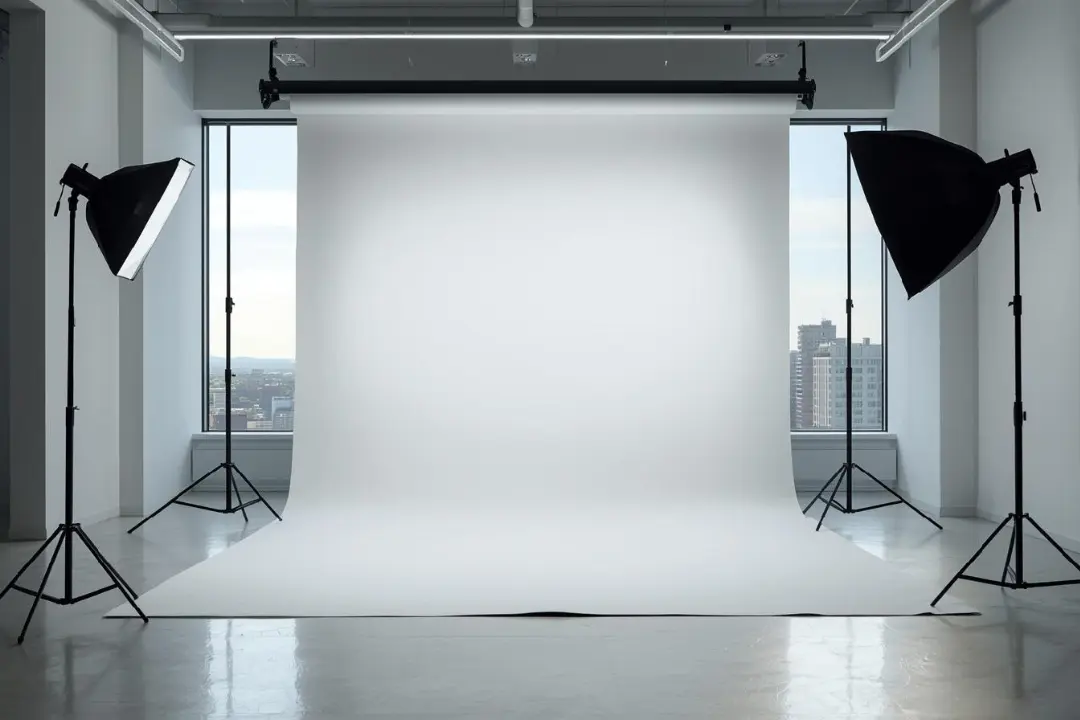
A professional corporate identity often doesn't start with text, but with a first look. A Munich Business Photo Shoot ensures that the website, LinkedIn, pitch deck, Google profile and recruiting page do not look “somehow” but clear, trustworthy and brand-consistent. Especially in a competitive environment such as Munich, pictures often determine whether people get in touch, request an offer or apply.
In this article, you will learn how to properly plan business photography, which image types are really needed, how Munich Business Portrait, personal branding photos, Company team photos and corporate photography connections — and how you Photo shoot prices Compare sensibly without making expensive mistakes.

Business photo shoot Munich benefits
A Munich Business Photo Shoot is more than “pretty pictures.” It is a component of your communication that can have a measurable effect:
- More trust on website and landing pages (people see real people instead of stock)
- Higher conversion for offers, contact pages and recruiting
- Stronger personal branding for management, sales and expert roles
- Consistent brand presence across all channels (web, social, print)
Many companies invest in design or ads first — and later realize that the images slow down the overall impression. If you want to properly balance budget and impact, thinking in terms of “cost drivers” (scope, quality, use, processing) helps. That's exactly what: Understanding cost factors in website optimization.
Objectives and image types
Before you compare photographers, clarify your goal. Image types and sizes are then automatically decided.
Typical goals
- Build trust (website, Google profile, brochure)
- Show expertise (LinkedIn, PR, speaker profile)
- Strengthen recruiting (career page, job advertisements, social)
- Explain products or services (Report, “at work”)
Image types that almost always make sense
- Business Portraits (close-up + half-figure, neutral and modern)
- Team photos (entire team + smaller groups)
- Work report (authentic scenes, processes, consulting, workshop)
- detailed images (hands, tools, materials, spaces)
If you are also planning campaigns and reach later on, it makes sense to think of image types directly in a channel-oriented way. A good structure for this is provided by: Planning online marketing campaigns From idea to results.
Business photo shoot Munich process
With that Munich Business Photo Shoot Running smoothly requires a clear process. The best shoots look “easy” but are well prepared.
Briefing and planning
- Define goals and channels (website, LinkedIn, recruiting, ads)
- Create a list of images (portraits, team, report, details)
- Define style (modern/clean, warm/approachable, technical/precise)
- Clarify time frame and location
shooting day
- Setup (light, background, test shots)
- Portraits first (fresh energy, fast rhythm)
- Team photos in the planned slot
- Report and final details
Selection and editing
- Pre-selection (best-of)
- “business-clean” retouching (skin, dark circles, lint — without plastic look)
- Export to appropriate formats (web, social, print)
If you want to use images for performance channels later on, a tracking setup is crucial — otherwise you won't know which subjects are effective. A practical introduction: Advertise on Google Start your first campaign.
Munich Business Portrait
A strong Munich Business Portrait is your “digital handshake.” Good portraits meet three conditions:
- lucidity: face clearly visible, no hard shadows, calm background
- stance: open, professional, suitable for the role (boss, sales, expert)
- brand: Style and colors match the website and corporate design

Common portrait mistakes
- too wide angle (distorts the face)
- poor light (dark eyes, blotchy skin)
- Troubled background (distracting)
- wrong clothes (too casual or too “bench” even though the brand is creative)
Tip: Plan at least two variants per person:
- neutral (website/PR), 2) approachable (LinkedIn/story format).
Personal branding photos
personal branding photos are extremely effective for solopreneurs, consultants, doctors, agencies and executives — if they don't look “posed.”
What personal branding images should show
- Your role (consulting, planning, management, implementation)
- Your work environment (office, studio, practice, location)
- Your energy (calm, dynamic, analytical, creative)
- Your positioning (high-quality, down-to-earth, innovative)
Practice formula
Fewer poses, more scenes.
Instead of 30 artificial poses, 8-12 good scenes: on a laptop, in conversation, on a whiteboard, on site with the customer (if possible), details of your work.
If you want to translate personal branding into leads, you need a clean combination of content, landing page, and campaign. An overview of how SMEs approach this in a structured way: Performance marketing agency More leads for SMEs.
Company team photos
Company team photos are particularly important for recruiting and trust. People want to see who is “behind it.”
Which team photos are really needed
- Overall team (if team size can be represented sensibly)
- functional groups (e.g. consulting, production, service)
- Team-in action (small scene instead of just line-up)
How team photos look modern
- Same lighting mood, same color scheme
- clear clothing line (not uniform, but “in one piece”)
- real interaction (brief exchange, joint look, laughing without fuss)
Tip: Plan team photos so that new employees can be photographed later (same setup, same background, same visual language).
Everyday corporate photography
corporate photography becomes strong when it makes your performance visible. Works particularly well:
- processes (consulting, planning, production, service)
- Before and after (if reputable and comprehensible)
- Details (tools, materials, software, quality)
- rooms (reception, meeting, workshop, studio)
Important: Corporate photography is often the difference between “we claim quality” and “you see quality.”
If your images later also run in paid campaigns, you should test for variants early on (motif A vs. motif B). This is helped by: Google Ads optimize 10 quick performance levers.
Understanding photo shoot prices
The keyword Photo shoot prices is often searched for — because offers are difficult to compare. In practice, prices depend primarily on these factors:
The most important price drivers
- Number of people and subjects (portrait vs. team + report)
- Duration (short slot vs. full day)
- Location (studio, office, multiple locations)
- lighting and technology costs (setup, backgrounds, mobile lighting)
- Post-processing (number of final images, retouch level)
- Rights of use (where and for how long can images be used)
How to fairly compare offers
- Is a Number of images included or just “shooting time”?
- How many Correction loops are included?
- Which Rights of use are included (website, social, ads, print)?
- How fast is the delivery?
- Is there a backup concept and data protection?
When you buy externally, the logic is similar to that of marketing services: transparent model, clear scope, clear goals. It goes well with: Google Ads agency prices Find the right model.

Preparation and styling
Here, people often underestimate how much effect little things have. Good preparation saves time and money on the day of shooting.
outfits
- rather monochrome and calm instead of wild patterns
- Colors to match the branding (keep the website color scheme in mind)
- clean shoes, ironed parts, lint roller
- at least two outfits (formal + a bit looser)
Grooming
- dull skin (glow is the number 1 irritating factor)
- Beard edges clean, hair planned
- Subtle makeup if required (especially with strong lamps)
props
- anything that makes your work credible: laptop, tablet, tools, products, notebook
- But: no prop show, just real elements
Location and light
Munich offers many options, but “beautiful” is not automatically “suitable.”
Good locations for business pictures
- own office (authentic, approachable)
- neutral meeting room (clean, corporate)
- workshop/studio/practice (competence visible)
- Outdoor only if it fits the brand (and light/noise can be controlled)
Light is decisive for quality
- soft, directed light has a high-quality effect
- Hard ceiling lamps often have a disadvantageous effect
- Window light can be great, but must be controllable
Tip: Plan a small time window for “light set-up + test shots.” That is not a delay, but quality assurance.
Image selection and retouching
The best effect is rarely achieved by “100 pictures”, but by a clean selection.
selections
- Define a mini set per channel
- Website: 10-20 strong images
- LinkedIn: 5-10 portraits + 5 scenes
- Recruiting: 10—20 team/daily routine
- Ads: 3—8 clear motives, testable
retouching
- Business retouching is Correction, not transformation
- Skin, lint, glow, minor redness: yes
- completely smooth skin and distorted facial features: no
Rights of use and data protection
This is an area that often only becomes important when a problem occurs. In principle, if people are identifiable, consents and rights of use should be properly regulated.
- After Section 22 Art Copyright Act In principle, portraits may only be distributed or publicly displayed with the consent of the person depicted.
- Data protection authorities provide additional guidance on how photos are to be legally classified in the context of the GDPR and which requirements may be relevant for recording and publishing.
Practical tips for companies
- written consent for employee photos (with clear channels: website, social, recruiting, print)
- clear rules for ex-employees (removal/update processes)
- Clarification of usage rights with photographers (scope, duration, channels)
Branding and channels
Images have the strongest effect when they are not isolated but embedded in a system.
webpage
- Team page, about us, service pages, case studies
- Above-the-fold pictures with a real person often increase trust
- portraits + short scenes (work, presentation, team)
- consistent look increases recognition
Recruiting
- team, everyday life, workplace, values
- real scenes have a stronger effect than “symbolic images”
Google ads and campaigns
If you want to use images in campaigns, pay attention to variants: theme, text, call-to-action. A good tool for deciding when external support makes sense: Advertising agency for Google Ads When is it worthwhile.
Briefing for photographers
A good briefing is the fastest way to get better results. It should include:
- Target and channels (website, LinkedIn, recruiting, ads)
- desired image types (portrait, team, report, details)
- style references (3—6 sample images)
- Branding notes (colors, sound, “that's how we work”)
- Schedule and list of people
- Delivery format (web/social/print) and deadline
- Rights of use and consent process
If you would rather set up a content system instead of individual actions, it may be useful to connect photo/video directly to distribution. An overview of how Klarwerk bundles this: Media Production Munich — Video, Photo & Reels.
And if you want to understand in principle why strong media production noticeably enhances the brand image: Professional media production for strong brand impact.
Prevent mistakes
These mistakes most often cost money and nerves:
- Shooting without a clear image list → too few useful subjects
- no outfit line → team looks “thrown together”
- too little time for light → pictures look “cheap”
- Usage rights not clarified → later trouble with campaigns/print
- Images are not included → good material is unused in the folder
Book a Munich business photo shoot
If you have a Munich Business Photo Shoot Plan, think one step further: Images are not just content, but a lever for visibility and inquiries. This is exactly where Klarwerk comes in — without exaggeration, but systematically.
CTA Klarwerk agency
Klarwerk helps you turn strong images into a professional corporate identity — including channel strategy, landing pages, local SEO and campaigns that really reach your target group.
- Positioning and content plan so that motifs are produced in a targeted manner
- Implementation for website and social so that images work directly
- Performance-oriented campaigns so that impressions become real inquiries
Common questions
1) How long does a business photo shoot usually last?
For individual portraits, often 30-90 minutes. For team + reporting, it's more likely to take several hours or all day — depending on the scope.
2) How many pictures should I plan for?
Preferably a curated set: e.g. 10—20 for the website, 5-10 for LinkedIn, 10—20 for recruiting. Usability per channel is decisive.
3) Studio or office in Munich?
Studio looks controlled and clean. The office looks authentic. Many companies combine both: clean portrait, everyday reportage.
4) What is legally important when it comes to employee photos?
As a rule, consent for publication and clearly regulated rights of use. Section 22 KunstUrhG is a central basis for this.
5) How do I recognize a reputable provider?
Clear briefing questions, transparent services, defined process, understandable usage rights, clean examples with similar customers.
conclusion
A Munich Business Photo Shoot is an investment in trust, recognition and professionalism. If you carefully plan goals, image types, process, usage rights and distribution, the result is images that not only look good, but also visibly strengthen your company: in recruiting, sales and brand impact.