
.webp)




.png)
Most entrepreneurs, self-employed people and freelancers know how important proper bookkeeping is — but at the latest when the tax office requests documents or the tax return is due, it becomes apparent how well their own documents are really organized. At this moment, many experience stress, uncertainty, or the feeling that they do not have the documents complete.
This comprehensive guide is intended to prevent just that. You learn in an easy-to-understand, clearly structured and practice-oriented language very precisely, which accounting documents you need for the tax office, how to store them securely, which documents are particularly important and how to work efficiently throughout the year.
The item is perfect for:
- Self-employed
- tradesmen
- freelancers
- small businesses
- Solo self-employed
- startups
- anyone who wants to make their bookkeeping easier
The goal is not only to give you a complete checklist, but also to enable you to make your bookkeeping stress-free, digital and in compliance with tax authorities in the long term.
Overview of these accounting documents
Before you go into detail, you need a complete overview. You need these accounting documents for the tax office, regardless of whether for the tax return, a tax audit or the preparation of annual financial statements.
If you understand these categories, you're already a big step ahead.
These documents form part of the basics of regular bookkeeping:
- Revenue documents
- Expenditure receipts
- treaties
- Bank documents
- Tax-relevant evidence
- Depreciation documents
- Additional documents for exams
We will now go through them individually and in great detail.

Income documents explained in detail
Revenue is all the money that your company receives. The tax office expects complete documentation here.
This includes:
- all outgoing invoices
- refunds
- Cancellation invoices
- Cash reports for cash transactions
- Online sales (Shopify, Amazon, Etsy, WooCommerce)
- Bank statements of incoming payments
- Payment service provider such as PayPal, Stripe, Klarna
Practical example:
If you write an invoice but it doesn't appear in your accounting system, it's considered missing by the tax office — even if you've sent it. This quickly leads to inquiries or, in the worst case, to estimates.
👉 Reading tip: The most common accounting mistakes and how to avoid them
Expenditure receipts easy to understand
Companies spend money — and for these costs to be recognized for tax purposes, you must be able to prove every euro.
Typical expenditure documents:
- invoices for work materials
- Software subscription costs
- advertising and marketing
- Travel expenses and hotels
- Continuing education
- office supplies
- Leasing payments
- Catering documents
Many lose money here because they don't collect receipts or mix private and business payments. A tip: Always pay operational expenses via the business account.
Completely store contracts and legal documents
The tax office often requires access to contracts during audits.
examples:
- Office or warehouse rental agreements
- employment contracts
- Work contracts
- Leasing contracts (e.g. car)
- Loan agreements
- supplier contracts
- User contracts
Why important?
This is the only way for the tax office to understand whether costs are justified or whether depreciation is running correctly.
Store bank documents in a structured way
All business transactions must be visible.
These include:
- Monthly business account statements
- Credit card statements
- PayPal reports
- Stripe transaction lists
- Cash movements with cash reports
A common mistake: posting private income or expenses via the business account. This makes accounting confusing and leads to inquiries.
These accounting documents are digital
Digital accounting is standard today — and for most entrepreneurs a real time saver. You need these accounting documents for the tax office, and stored digitally, it is much easier, safer and clearer.
Capture digital documents correctly
Digital document entry means:
- You photograph receipts or upload PDFs
- Software automatically reads out the data
- Documents are categorized
- Everything is stored securely
advantages:
- No paper
- Quick retrieval
- High accuracy
- Tax office-compliant storage
👉 Reading tip: Accounting software in (Comparing accounting software Which solution is right for you)
Understanding audit-proof filing
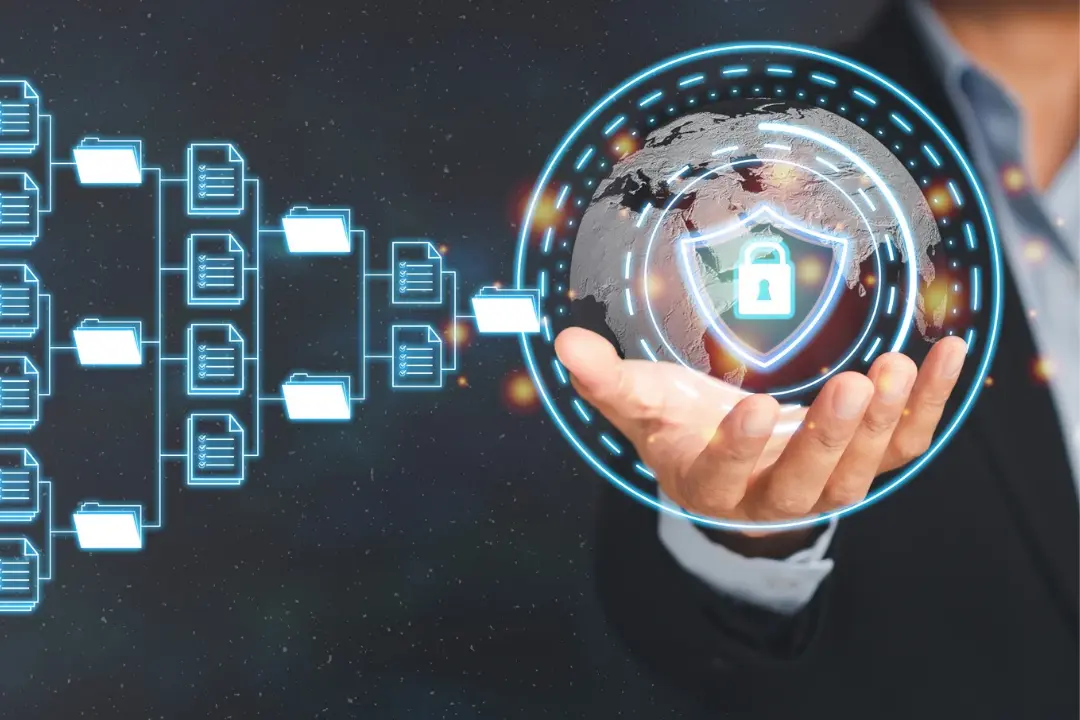
Audit-proof means that documents must not be able to be changed retrospectively.
Important:
- no changes without a protocol
- The original format must be retained
- digital signatures are recognized
- Storage must be protected against loss
The tax office fully accepts digital accounting — if it is carried out correctly.
The best digital folder structure
A clear structure saves you time every month:
Recommended folders:
- takings
- spending
- bench
- treaties
- insurances
- taxes
- Depreciation
- personnel
- year > month
example:
2026/Issues/Software/Rechnung-Lexoffice-01.pdf
These accounting documents tax
Now it's getting interesting for tax purposes. You need these accounting documents for the tax officeto enable correct tax calculations.
Carry out depreciations correctly
If your company buys expensive equipment (such as a laptop, camera, furniture), you'll have to write them off over several years.
To do this, you need:
- proof of purchase
- Usage time according to AfA
- Depreciation schedule
- annual depreciation amounts
👉 Reading tip: 10 tips on how to organize your bookkeeping efficiently and save taxes
Clearly document travel expenses
For every business trip, you need:
- Travel expense document
- tickets
- Hotel bills
- Mileage chart (by car)
- Catering documents
Many entrepreneurs give away tax benefits because they do not fully record travel expenses.
Indicate private use correctly
Often used:
- company car
- laptop
- cellphone
- internet
The tax office expects clear information on the private share. If this is missing, it is estimated — usually to your detriment.
Audit these accounting documents
A tax audit is intimidating for many. In fact, it's harmless if you've sorted the documents correctly.
Using checklists correctly
Checklists help you not to forget anything.
👉 Reading tip: Checklist for perfect bookkeeping
Typical inquiries from the tax office
Very common:
- Absence of invoices
- Unclear funds in the account
- high one-off amounts
- private payments in a business account
- Catering without cause
Why tidiness saves money
The cleaner your documentation, the lower:
- Risk of back tax payments
- Duration of the test
- additional evidence
- estimations
Digital accounting with Klarkwerk
Die ClearWorks Business Service helps you to make your accounting completely digital, efficient and audit-proof.
You'll get:
- digital document entry
- clear structure
- monthly evaluations
- personal care
- safe storage
- perfect preparation for the tax office
➡️ Start digital accounting with Klarkwerk now and work stress-free all year round!
These accounting documents Financial statements
The financial statements are the most important moment in the financial year. You need these accounting documents for the tax officeto finish correctly.
Inventory and facilities
Inventory means:
- document all assets
- Quantities, values, usage
- Update attachment directory
👉 Reading tip: Why professional accounting helps your business move forward
Open items
This includes:
- outstanding customer demands
- unpaid supplier invoices
- reminders
- Bad receivables
All important tax documents
To graduate, you need:
- Sales tax returns
- income tax
- Business tax
- Corporate income tax
- EU or balance sheet
- P&L
- List of investments
Common questions (FAQ)
1. How quickly do I have to submit documents?
Depending on your request. Usually between 7 and 21 days.
2. Does the tax office accept digital documents?
Yes, as long as they are stored in an audit-proof manner.
3. How long must documents be kept?
10 years
4. What do I do if a document is lost?
Contact suppliers or create your own document.
5. Which software is best?
LexOffice, Sevdesk, Datev, Kontolino.
conclusion
When you know Which accounting documents do you need for the tax office, you can avoid stress, messy folders and unnecessary back tax payments. The key lies in structure, digital filing and consistent documentation.
Die Klarkwerk agency supports you with professional, digital and modern accounting — perfect for self-employed people and small companies who want to save time and work in a tax-compliant manner.