
.webp)



.png)
The turn of the year is an ideal time for many companies, self-employed people and freelancers to restructure their own accounting, identify potential for optimization and get the most out of tax matters. Gute Tax tips can be decisive because they not only help you save money, but also create clarity, security and long-term financial stability.
2026 brings new challenges, but also opportunities: technical developments, tax adjustments and an increasing trend towards digitization are changing the way companies manage their finances. A proactive approach to accounting ensures that you use these changes to your advantage.
This comprehensive guide shows you how to organize your bookkeeping efficiently, which tax benefits you can take advantage of and what you should pay particular attention to in 2026. At the same time, you will learn how professional support — such as from a digital accounting agency — can relieve you and modernize your processes.

Start accounting the right way
The basis for successful tax benefits is well-organized bookkeeping. Especially at the turn of the year, it is worthwhile to review and improve existing routines. Here should be the first Tax tips are used: structure processes, eliminate legacy issues and plan the next twelve months strategically.
Well-planned accounting ensures that documents are recorded in full, deadlines are met and tax benefits such as operating expenses or depreciation are optimally used. But many self-employed people lose valuable time here — often due to a lack of digital tools or due to unclear filing structures.
A useful starting point is to review your work processes: Where do delays occur? Which tasks take up a disproportionate amount of time? Where is digitization worthwhile? In this context, a look at accounting software and modern automation options are essential.
👉 Reading tip: Comparing accounting software
Use digital solutions
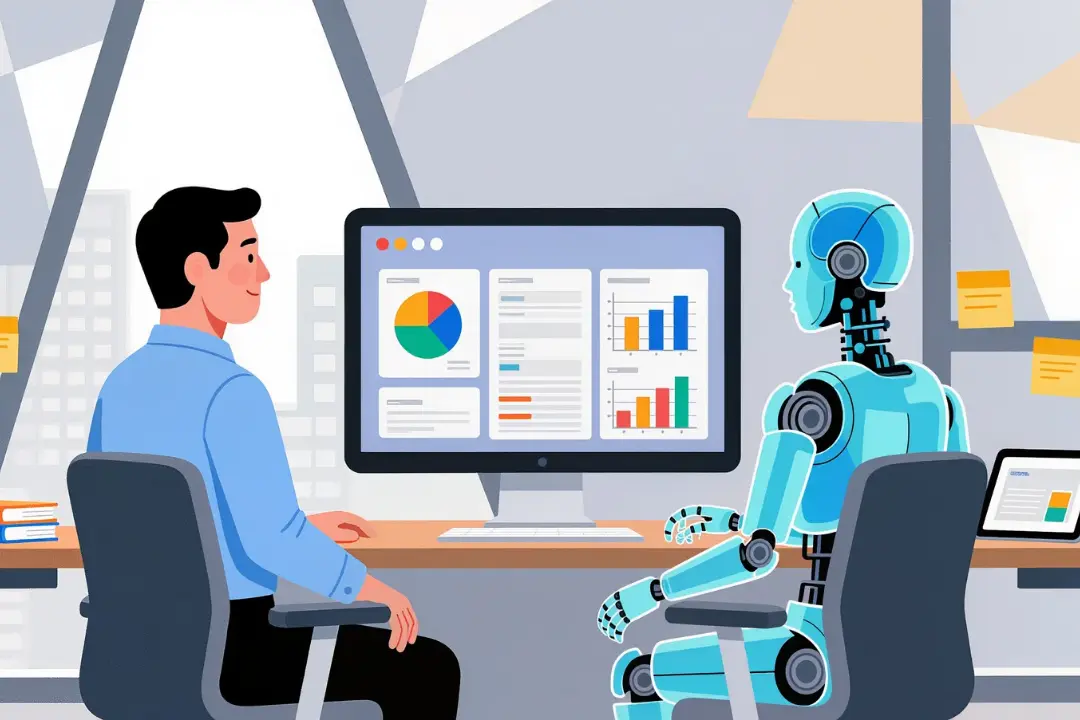
Digitalization has fundamentally changed accounting. In 2026, the use of digital tools will not just be an option, but almost a necessity. Cloud-based accounting systems, automatic document recognition, digital account reconciliations or integrated tax reports can drastically reduce errors and streamline processes.
Automation is particularly worthwhile for SMEs and the self-employed: From preparation From tax returns to analysis of financial risks, modern tools offer enormous advantages. At the same time, they create transparency, as all figures can be retrieved at any time.
There is now a strong focus on artificial intelligence: intelligent systems recognize duplicates, automatically sort documents and warn of discrepancies. This minimizes errors that could later lead to tax disadvantages or unnecessary inquiries from the tax office.
👉 Reading tip: Current Trends in Accounting
Tax tips for more structure
The best Tax tips are ineffective if there is no consistent order. Structured document management, regular account reconciliations and clearly defined processes reduce sources of error and improve tax evaluation — especially for 2026, as many tax limits and lump sums can be digitally verified and errors are noticed more quickly.
In addition to the technical structure, content criteria also play a role: What costs can you deduct? Which income must be documented? How do you clearly differentiate between private and business spending?
The issue of depreciation is also relevant: Whether it's computers, office equipment, software or vehicles — many companies do not exploit tax potential because they declare purchases incorrectly or too late.
👉 Reading tip: The most common accounting mistakes
Improve financial planning
Successful bookkeeping doesn't end with mere documentation — it is the key to financial planning. Anyone who uses planned figures, forecasts or cost controls at an early stage will identify bottlenecks and opportunities in good time.
Financial planning in 2026 should be more detailed than before, as many companies must adapt to dynamic cost structures, fluctuating markets and new tax conditions. Smart planning helps to avoid unexpected back payments and to secure liquidity.
An annual budget, regular quarterly analyses and clear investment decisions are central components of modern corporate management. Accounting provides the data basis for this — and the cleaner it is kept, the more reliable your financial forecasts are.

Optimize employees and processes
Even in small companies, it is worthwhile to clearly define responsibilities. Who is responsible for document entry? Who controls? Who creates reports? Clear roles save time and avoid uncertainty when making tax decisions.
Through training or external advice, gaps in knowledge can be closed, especially when it comes to more complicated topics such as sales tax, travel expenses or special depreciation.
Digital workflows also make collaboration easier: Documents can be entered directly via smartphone, shared in the cloud system and automatically posted.
👉 Reading tip: Why professional bookkeeping
Expert support
Optimizing your accounting is a crucial step — but you don't have to take it alone.
Die Klarkwerk agency in Germany supports companies and self-employed people with modern, digital accounting completely remotely.
Benefit from:
- efficient document management
- timely financial reports
- fiscally clean structures
- personal support from experts
➡️ Test digital accounting now and get off to a better tax start in 2026!
Understanding costs and benefits
Many companies underestimate the importance of professional bookkeeping because they miscalculate costs. The truth: Structured, digitally managed accounting saves more money in the long term than it costs — simply by avoiding errors, missed deadlines or unnecessary tax burdens.
External accounting services are now also significantly cheaper than before, as digital processes automate many work steps. This saves time and reduces the risk of human error.
👉 Reading tip: How much does an accounting service cost
Tax tips at the end of the year
At the end of the year, companies should once again carefully review their processes. This is the last moment to exploit tax optimization potential. Use the Tax tipsto bring forward investments, build up reserves or strategically plan depreciation.
A careful audit helps to save taxes while creating a clear structure for the coming year. These include:
- Review of outstanding invoices
- Preparation of advance sales tax returns
- Clarification of private use shares
- Accounting software update
- Planning future investments
❓ Common questions (FAQ)
1. What documents do I need for 2026 accounting?
You need all income and expenditure receipts, account statements, contracts, digital purchase receipts and tax-relevant documents such as sales tax data.
2. Which software is best for SMEs?
Cloud-based tools such as Lexoffice, Sevdesk or Datev Unternehmen Online offer automation, mobile recording and intuitive operation.
3. How can I save taxes at the turn of the year?
Through depreciation, investment deduction amounts, advanced costs, digital document management and structured annual planning.
4. Is an external accounting service worthwhile?
Yes, especially for self-employed people and small companies, as experts avoid mistakes, save time and make optimal use of tax benefits.
5. What happens if documents are missing?
The tax office can make estimates or refuse to recognize expenditure. Clean document management is therefore essential.
conclusion
Tax planning at the turn of the year is your chance to start 2026 more financially successful. With the right Tax tips, modern accounting, clear structures and digitized processes create the perfect basis for growth, stability and efficient tax optimization.
If you are looking for professional support, the Klarkwerk agencyto keep your bookkeeping digitally, efficiently and legally secure — so that you have more time for your core business and get the most out of 2026 in terms of tax.