.webp)




.png)
%20(1).webp)
In 2026, sustainable web design is no longer just a “nice-to-have”, but a clear competitive factor in digital marketing. Companies in Germany — particularly in economically strong regions such as Munich — are faced with the challenge of operating high-performance websites while reducing their digital CO₂ footprint.
Green IT in web design means developing websites so that they use less energy, load faster and achieve better rankings in search engines at the same time. This is exactly where the perfect combination of sustainability, performance and conversion optimization is created.
While classic websites often consume an unnecessary number of resources, modern companies rely on lean structures, efficient data processing and sustainable hosting solutions.
Relevance of sustainable websites
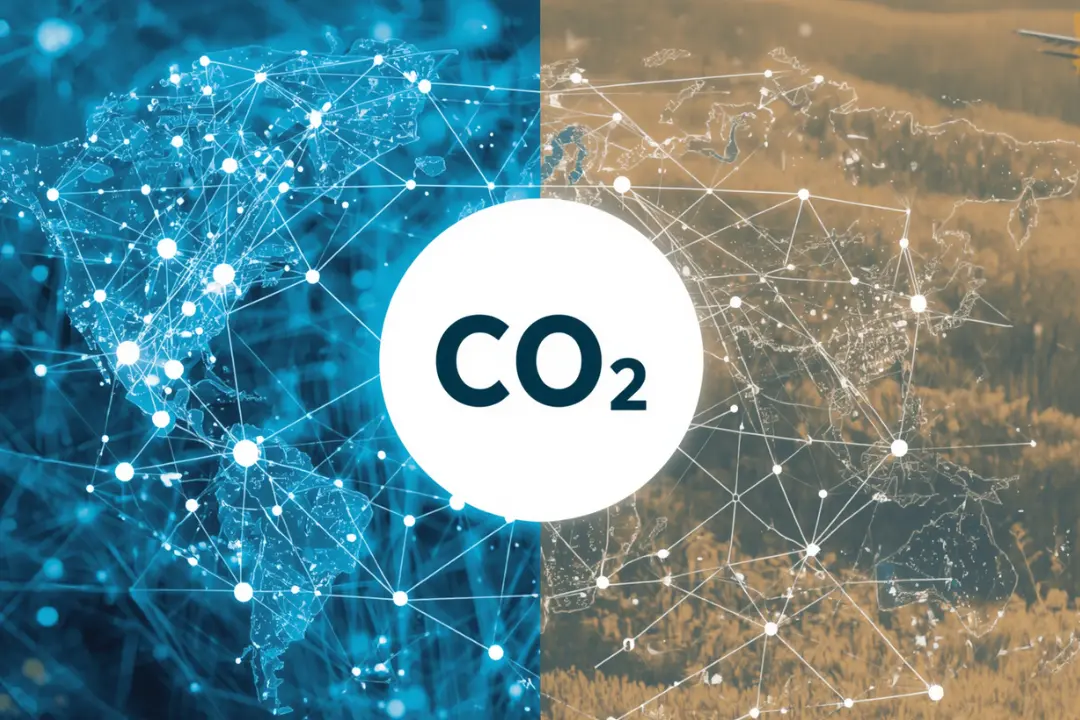
The energy consumption of digital systems is growing rapidly. According to recent studies, the Internet is already causing more CO₂ worldwide than the aviation industry. Every website, every click and every data transfer contributes to this.
For companies, this means in concrete terms:
- Sustainability is becoming part of the brand strategy
- Customers pay more attention to environmental responsibility
- Legal requirements are increasing (e.g. ESG guidelines)
A sustainable website has a direct effect on trust and purchasing decisions.
👉 If you want to optimize in a data-driven way, you benefit from a Performance agency for data-based optimization, which combines efficiency and sustainability.
Green IT basics
Green IT describes the development and use of IT systems with minimal energy consumption. In the context of web design, this means:
- Reduce the amount of data per page view
- Optimizing server communication
- Use of energy-efficient technologies
An average website visit causes around 1.5—2 grams of CO₂. With 10,000 visitors per month, this quickly adds up to several kilograms of CO₂ per year.
Key principles:
- “Less is more” in code
- Avoiding unnecessary resources
- Focus on efficiency rather than overdesign
👉 A clear structure through a Onpage SEO agency for clean structures ensures better loading times and less resource consumption.
Digital carbon footprint
The digital CO₂ footprint is created by:
- server operation
- Data transmission in the network
- Users' devices
Particularly large websites with lots of media content can consume up to 10x more energy than optimized pages.
Common mistakes:
- High-resolution images without compression
- Autoplay videos
- Too many tracking scripts
👉 Targeted optimization through a Pagespeed optimization agency for fast pages measurably reduces this load.
Performance is key
Performance is the most important lever for sustainable web design.
Why
- Faster websites require less energy
- Google rates load time as a ranking factor
- Users leave slow sites faster
Studies show:
A load time of over 3 seconds increases the bounce rate by over 30%.
Optimization approaches:
- Reduce HTTP requests
- Using CDN systems
- Prioritize critical content
👉 Companies benefit in particular from structured support from a Organization Consulting for better structures.
Technical optimization
Technical implementation is decisive for the success of sustainable websites.
Key measures:
- Code minification (HTML, CSS, JS)
- Lazy loading for images and videos
- Use of modern image formats such as WebP or AVIF
- Server-side rendering
In addition, unnecessary plugins and external resources should be avoided.
Best practice:
- Page weighting reduced to less than 1 MB
- Charging time less than 2 seconds
👉 Efficient brand management and clear structure are created by a Brand strategy consulting for differentiated brands.
Efficient UX design
Sustainability starts in the design process.
A good UX design not only reduces clicks, but also energy consumption.
Key principles:
- Clear navigation
- Fewer interactions per goal
- Reduced visual complexity
Minimalist designs have several advantages:
- Faster load times
- Better usability
- Higher conversion
Dark mode is an additional factor:
On OLED displays, it can reduce energy consumption by up to 60%.
Hosting strategies
Hosting is an often underestimated factor.
Sustainable hosting solutions are characterized by:
- Using renewable energy
- Energy-efficient data centers
- Optimized cooling systems
In Germany, there are already providers with 100% green electricity.
👉 For long-term planning, a Munich Business Consulting for Growthto strategically build sustainable IT infrastructure.
SEO benefits
Sustainable web design has a direct impact on SEO.
Google rated:
- charging speed
- Core Web Vitals
- Mobile performance
Sustainable websites automatically meet these criteria.
advantages:
- Higher rankings
- More organic traffic
- Better user experience
👉 A combination with a Performance agency for data-based optimization maximizes results.
Measurement and tools
Without measurement, there is no optimization.
Key tools:
- Google Lighthouse
- PageSpeed Insights
- Carbon Calculator website
These provide data on:
- charging time
- energy consumption
- Potential for improvement
👉 Structured processes are ideal with a Office management service for structured processes depict.
Practice Germany
Many companies in Munich and Germany are already using sustainable websites.
Successful measures:
- Reduction of media
- Optimizing code
- Green Hosting
results:
- Up to 50% less energy consumption
- +20% better conversion rate
- Improved Google rankings
👉 Financial efficiency can also be achieved through processes such as Open accounting items for better cash flow be supported.
2026 future trends
The development is clearly moving towards automated sustainability.
Key trends:
- AI-based performance optimization
- Automatic CO₂ analysis per page
- Sustainable CMS systems
- Green UX as standard
Companies that invest early secure long-term competitive advantages.

Optimize a sustainable website now
Start now with a sustainable web strategy and improve performance, SEO and conversion at the same time.
👉 Get in touch now and get advice:
📞 +49 151 6846 1306
📧 info@klarwerk-agentur.de
FAQ
What does sustainable web design actually bring?
It reduces costs, improves SEO, and strengthens brand image.
Is green IT relevant for small businesses?
Yes, SMEs in particular benefit from lower operating costs.
How fast should a website load?
Ideally less than 2 seconds.
What is the role of hosting?
Very large — it significantly influences CO₂ emissions.
Can I optimize my existing website?
Yes, through targeted performance and design adjustments.
Increase digital efficiency now
Start now and make your website future-proof, sustainable and powerful.
👉 Start now and inquire without obligation:
📞 +49 151 6846 1306
📧 info@klarwerk-agentur.de
conclusion
Sustainable web design (green IT) is a key success factor for companies in Germany in 2026. It combines environmental responsibility with economic benefits while improving SEO and performance.
Anyone who invests in sustainable digital solutions today is clearly positioning themselves as a modern and future-oriented brand.