
.webp)




.png)

The question “How much does online marketing really cost in 2026? ” is now one of the key decision-making questions for companies in Germany. Especially in highly competitive locations such as munich Is marketing no longer a “side issue,” but as central growth engine seen.
At the same time, advertising costs are rising, the battle for visibility is getting tougher and expectations are rising measurable results — Leads, conversions, revenue. In parallel, AI tools, automation and data-based approaches open up new opportunities, marketing budgets more efficient, scalable and measurable to use.
In this guide, you'll get a clear structure of costs, price assessments, optimization strategies and practical tips on how to specifically manage your online marketing costs 2026 prices — without “burning”.
Online marketing costs 2026 prices — structure and structure
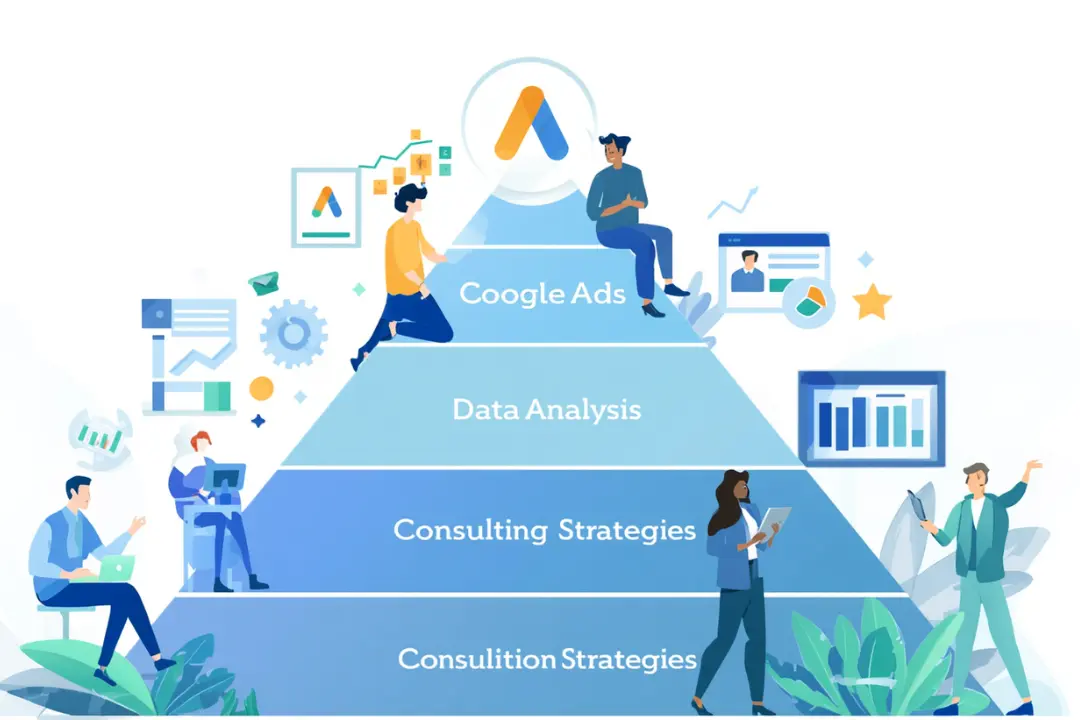
The costs do not simply consist of “ad spending,” but of several layers that can reinforce or hinder each other.
Key cost levels
- Strategy & advice
- Media planning, target group definition, KPI setup.
- Definition of key performance indicators (e.g. leads, ROI, CAC).
- campaign budget (ads, social, retargeting)
- Google Ads, Meta Ads, Programmatic, Performance Display.
- Costs arise per click, call or conversion.
- Content production
- Social media posts, landing pages, blog articles, videos, infographics.
- Tools & software
- Tracking tools (e.g. Google Analytics, GTM, Facebook Pixel).
- marketing automation, email software, CRM integrations.
- Agency and service costs
- Management fees, performance bonuses, KPI-based compensation.
Many companies do not identify these elements individually at all. Outcome: Budgets that “disappear” quickly, with no measurable effects.
In order to manage your online marketing costs 2026 prices sensibly, it is recommended to work closely with a Performance marketing agency with KPI focus, which not only “feeds” campaigns, but systematically measures, optimizes and reacts.
Price ranges in Germany by type of company
There is hardly a “uniform” price level in Germany — the range ranges from Individual budgets under 1,000€ per month up to six- to seven-figure total marketing budgets large companies.
Typical classifications
- Small businesses & solopreneurs
- Budget: approx. 500€ — 2,000€ monthly.
- Focus: local visibility, social media channels, targeted ad campaigns.
- SMEs/SMEs/scaling startups
- Budget: approx. 2,000€ — 10,000€ monthly.
- Combination of SEO, content marketing, social media campaigns, and performance ads.
- Large companies & brands with national/international orientation
- Budget: 10,000€ — 100,000 €* monthly.
- Comprehensive multi-channel strategies, retargeting networks, AI‑supported automation, international campaigns.
Munich often has budgets significantly above the German average, as CPC costs, search volume, and competition are higher. There is a Performance agency for data-based optimization particularly valuable for evaluating KPI data sensibly and scaling budgets in a targeted manner.
Performance marketing costs — price and performance
Performance marketing (e.g. Google Ads, Meta-Ads, Programmatic) is one of the most important, but also most expensive Parts of online marketing.
Typical pricing models
- Google Ads (CPC model)
- Cost per click: approx. 0,50€ — 5€, depending on the industry, keyword competition and target group.
- Meta ads (CPM model)
- Costs per 1,000 impressions: approx. €5 — €15, depending on the target group, orientation and campaign structure.
- Cost per conversion
- Highly variable: depending on landing page quality, conversion path, retargeting strategy.
Without a clear objective, it quickly results high click costs but weak conversions. Key factors that influence costs and performance:
- Target group focus — broad, inaccurate target groups increase diversification.
- Ad texts & campaign structure — clear calls-to-action and segmented campaigns increase efficiency
- Landing page quality — a professional Website performance optimization for better UX ensures that traffic is actually converted into leads and sales. Website performance optimization for better UX optimizes loading speed, structure and user flow to increase conversion rates.
Website, technology and conversion — hidden sources of costs
Many companies underestimate that technical factors have a direct impact on costs and results
Typical cost drivers
- Slow or unresponsive websites
- Lead to higher bounce rates and lower conversion rates.
- Lack of tracking structure
- Sales, leads, or important conversion goals are not recorded.
- Unclear conversion paths
- Visitors “get lost” on the website instead of going through a clear process.
Realistically classify content costs
Content is the “fuel” for all online channels. Without high-quality content, costs rise without a proportionate improvement in results.
Typical cost levels (month)
- Social media posts
- Cost per post: €50 — €300, depending on the effort, image processing and copy value.
- Video content
- costs: 200€ — 2,000€ per video, depending on shooting time, editing, narrator, voiceover and subtitle.
- Blog articles & SEO texts
- costs: 100€ — 800€ per item, depending on length, keyword strategy and on-page optimization.
Visual content is particularly effective:
- Product images convey credibility and generate buying intent.
- Video content increase attention and memory value.
A professional Product photos agency for sales-boosting images can make a decisive contribution here by providing high-quality motifs that can be integrated directly into ad campaigns, landing pages and social media channels.

Print and offline communication in budget planning
Even in the age of digital channels, offline communication relevant — particularly for B2B companies, local service providers or investor contacts.
Typical cost levels
- Flyers & brochures
- Layout, texts, printing, marketing coordination if necessary.
- Exhibition materials
- Booth design, banners, brochures, giveaways, logistics.
- office equipment
- Business cards, letterheads, invoice and information design.
A professional Print design agency for high-quality print media ensures that brand identity appears consistent and professional both digitally and physically.
Optimize processes, structure and organization
Many marketing budgets “disappear” because processes are intertwined, without clear responsibilities or strategy.
Typical problems
- Unclear responsibility between marketing, sales and agencies.
- No KPI structure, meaning campaigns are barely measurable
- Without clear processes, deadline pressure, “fire extinguishing” and wastage losses occur.
Compare nline channels by cost and effect
This allows you to clearly distribute your 2026 budget:
- SEO (search engine optimization)
- costs: 500€ — 5,000€ monthly, depending on the target group and competition.
- social media marketing
- Content + ads: 500€ — 8,000€ monthly, depending on the platform and target group.
- Google Ads
- Flexible budgets, high CPC costs, quick results — but high competition.
- Email marketing
- Low running costs, high ROI, well suited for automation.
For example, a typical distribution might look like this:
- 40% performance ads,
- 30% content marketing,
- 20% SEO,
- 10% Tools & Analytics.
Typical mistakes and proven strategies
Common mistakes
- Focus only on low prices — often with poor quality and loss of performance.
- Unclear target group definition or KPI setup.
- Too many channels at the same time without a clear focus.
Successful strategies
- Define continuous KPIs, which you check regularly.
- Use A/B testing (e.g. ad texts, landing pages, CTA variants).
- Automate Repetition processes — Newsletters, ad retargeting, content workflow.
Trends 2026 — impact on costs and efficiency
Online marketing costs 2026 prices are shaped by several trends:
- AI automation
- AI‑assisted content generation, automated A/B testing, AI‑based targeting.
- Personalized advertising
- Data-based targeting of individual target groups (e.g. dynamic ads, individual landing pages).
- Video content growth
- Videos are increasingly important for social media channels, remarketing campaigns, and landing pages.
- Data protection requirements
- Data protection compliance (e.g. cookie policies, tracking requirements) influences targeting options.
Companies that integrate these trends early on can significantly optimize budgets and increase performance impact at the same time.

Personalized advice and KPI focus
If you want to optimize your online marketing costs 2026 prices, a personal exchange with an experienced agency is crucial.
info@clearworks-bs.com
+49 157 9249 7112/+49 89 3816 9101
With a clearly defined strategy, you can set your marketing budget Use precisely, avoid wastage and achieve real results in leads, sales, or brand perception.
conclusion
The online marketing costs 2026 prices are Not “gone” but “investment” — but only if they are strategically planned and measurably managed. Companies in Germany, particularly in Munich, benefit enormously from:
- KPI-oriented approaches,
- clear processes,
- professional partners.
Anyone who understands their costs, translates them into KPI strategies and optimizes them in a targeted manner can significantly better results with the same budget achieve.
External sources
The following external sources support the statements on online marketing costs, KPIs, trends and market studies 2026 with current data from Germany.
- Federal Statistical Office — Online Marketing and Digital Economy in Germany
Overview of digital spending, advertising investments and economic data on the German market.
- BITKOM — Digital Marketing Studies in Germany
Analyses and forecasts on marketing investments, AI tools, and performance channels for companies.